The Rise of Remote Work and Its Effect on Where People Live
Remote and hybrid working have rewritten the map of UK house-hunting. The changes are uneven — and they are still unfolding.
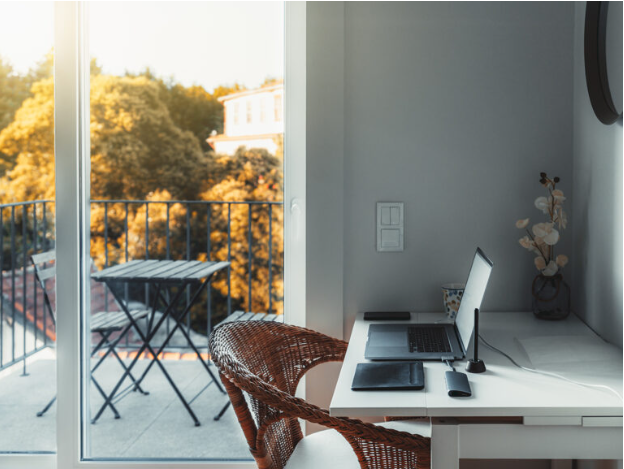
Few things have changed UK house-hunting as visibly as the rise of remote and hybrid working. Before 2020, the daily commute was a hard constraint for most households; today, the same household can do its job from a village, a seaside town, or a terrace in the next county. The result has been a quiet but significant redistribution of demand across the country.
Who Actually Got the Most Freedom
The benefits of remote work have not been evenly shared. Higher earners in professional, financial, and tech roles were the first to gain genuine location flexibility. For them, the question shifted from "where is the office?" to "where would I actually like to live?" For many lower-paid service roles, of course, location flexibility has been more limited, and rising rents in some remote-friendly hotspots have been a double-edged sword.
The Rise of the "Hybrid Hub"
One of the most visible effects has been the growth of small towns and rural areas within reach of a major city. Places that were once considered too far for daily commuting — coastal towns, market towns in the Cotswolds, villages in the Pennines — have all seen a sustained lift in demand. Buyers use the train station for the office days and the quiet streets for everything else.
What Remote Buyers Actually Look For
Three things have risen sharply up the list. A reliable broadband connection is now non-negotiable for many households. A dedicated room — or at least a clearly defined workspace — is increasingly expected. And outdoor space, whether a garden, a balcony, or easy access to countryside, has gone from "nice to have" to "important" for a large share of buyers.
Prices Have Followed
Where remote-friendly demand has landed, prices have generally risen. Some towns have seen double-digit growth in the years since 2020, in part because of buyers relocating from more expensive cities. This has, in turn, started to price out some of the very people who already lived there — a tension that is starting to shape local politics in some areas.
The Return-to-Office Reality
By 2026, the picture has stabilised somewhat. Most large employers expect staff in the office two or three days a week, and many have made clear that fully remote roles are no longer the norm. This has cooled some of the more dramatic predictions about the death of city living — but it has not undone the underlying shift. People who moved to hybrid hubs have, in many cases, stayed. The trade-off they accepted, when planned properly, still works.
What It Means for the Next Move
For anyone thinking about a move in the UK today, the rise of remote work has expanded the realistic shortlist — but it has also added new things to check. Broadband speeds, mobile signal, the experience of working alone for long stretches, and the social life of a smaller town are all worth considering before committing. Remote freedom is most powerful when it is matched by a clear-eyed understanding of what daily life in the new place will actually be like.